


A year ago, on July 2, 2025, the National Highways Authority of India (NHAI) launched the Jaipur-Dausa-Bandikui Greenfield Expressway. This approximately 67-km long expressway merges traffic into the Delhi-Mumbai Expressway. The authority had made several claims regarding this journey starting from Jaipur
“It will take only 3 hours to reach Delhi from Jaipur via this route. Cars will run at a speed of about 120 kilometers per hour. There will be no traffic jams, nor will there be any speed breakers or potholes on the road.”
Now, a year later, what is the ground reality of this expressway? Has the journey from Jaipur to Delhi really become easier? Have the dangers of traffic jams, long toll lines, animals roaming on the road, and vehicles breaking traffic rules been eliminated?
To find answers to these questions, Bhaskar undertook a journey from Jaipur to Delhi.
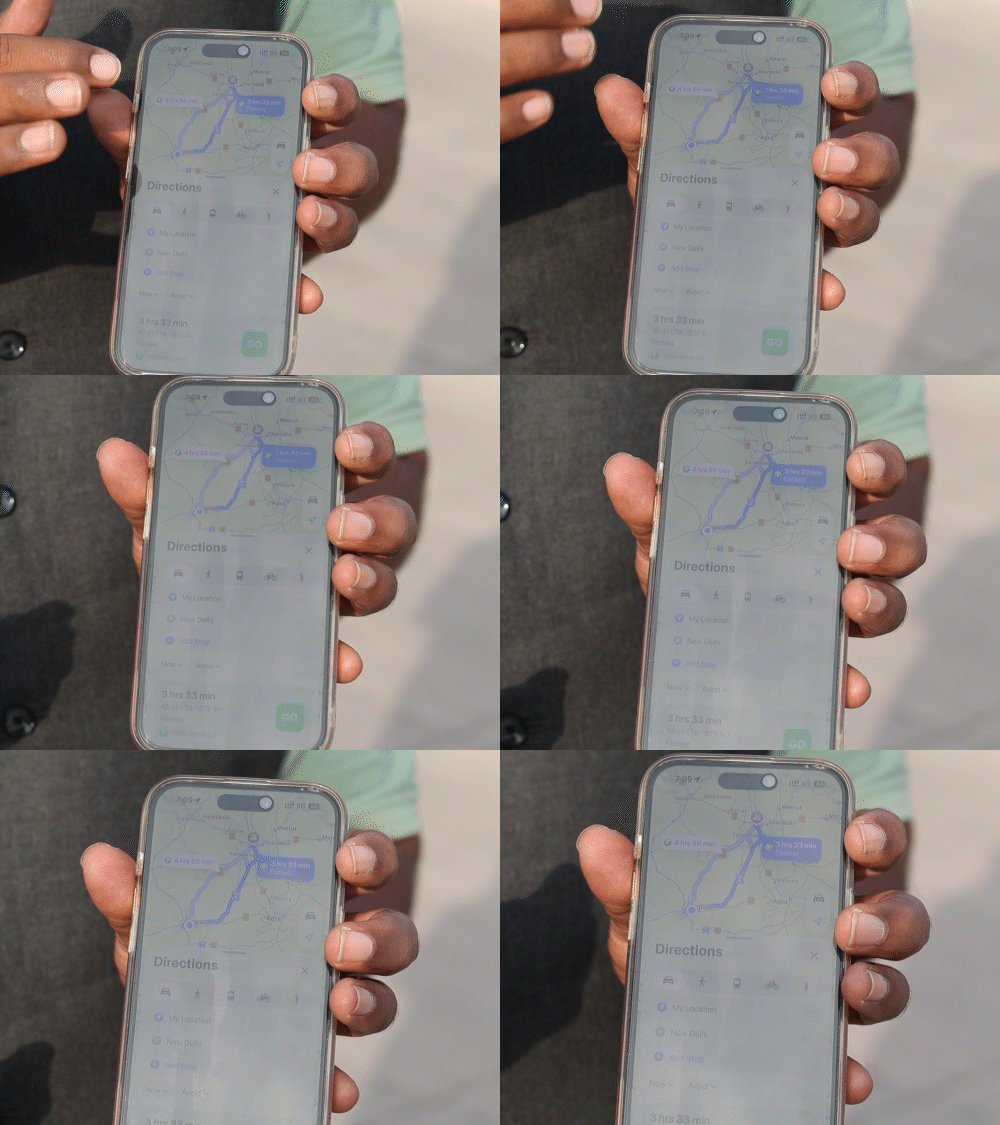
Before departing, when checked on Google Maps, the time taken to reach Delhi was showing 3.33 hours.
Road uneven at many places
The Bhaskar team reached the interchange of Bagrana village, the starting point of the Jaipur-Dausa-Bandikui Greenfield Expressway, in Jaipur at 7:15 AM.
At this toll plaza, our car was digitally entered, and no toll was deducted. After this, we set off on our journey to Delhi.
Within a year, the expressway has deteriorated at many places. Although NHAI has repaired them, due to improper repair work, the road has become uneven at many places.
This was the reason why we were not able to drive at the top speed of 120 km/h on the expressway. When we asked our driver Balram, he told us that these cause turbulence on the road.
It can destabilize the car at high speed. However, even after this, our car was running at a speed of 90 to 100 kilometers per hour on the expressway.
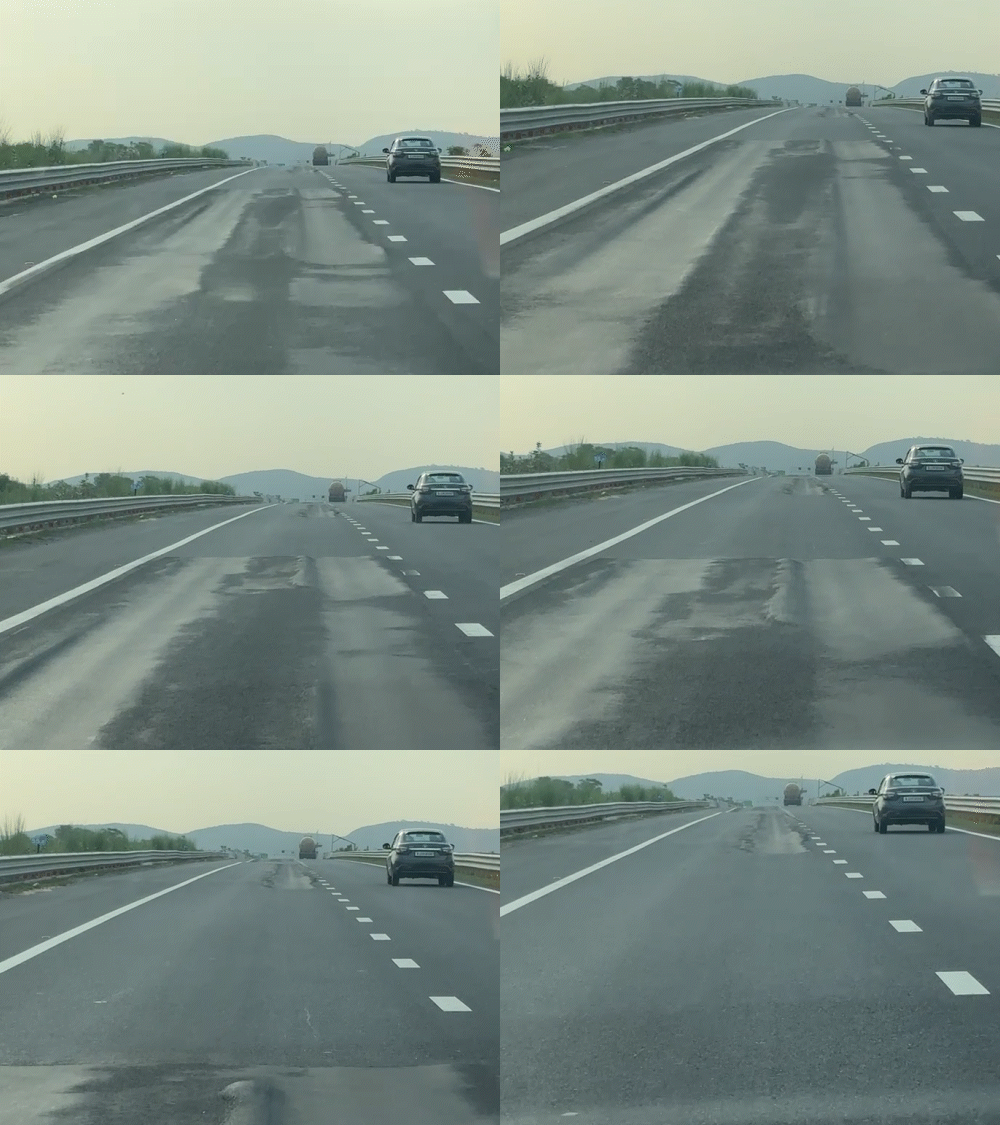
The road has come undone in many places within a year. Due to patchwork, driving at a very high speed is not possible in many sections.
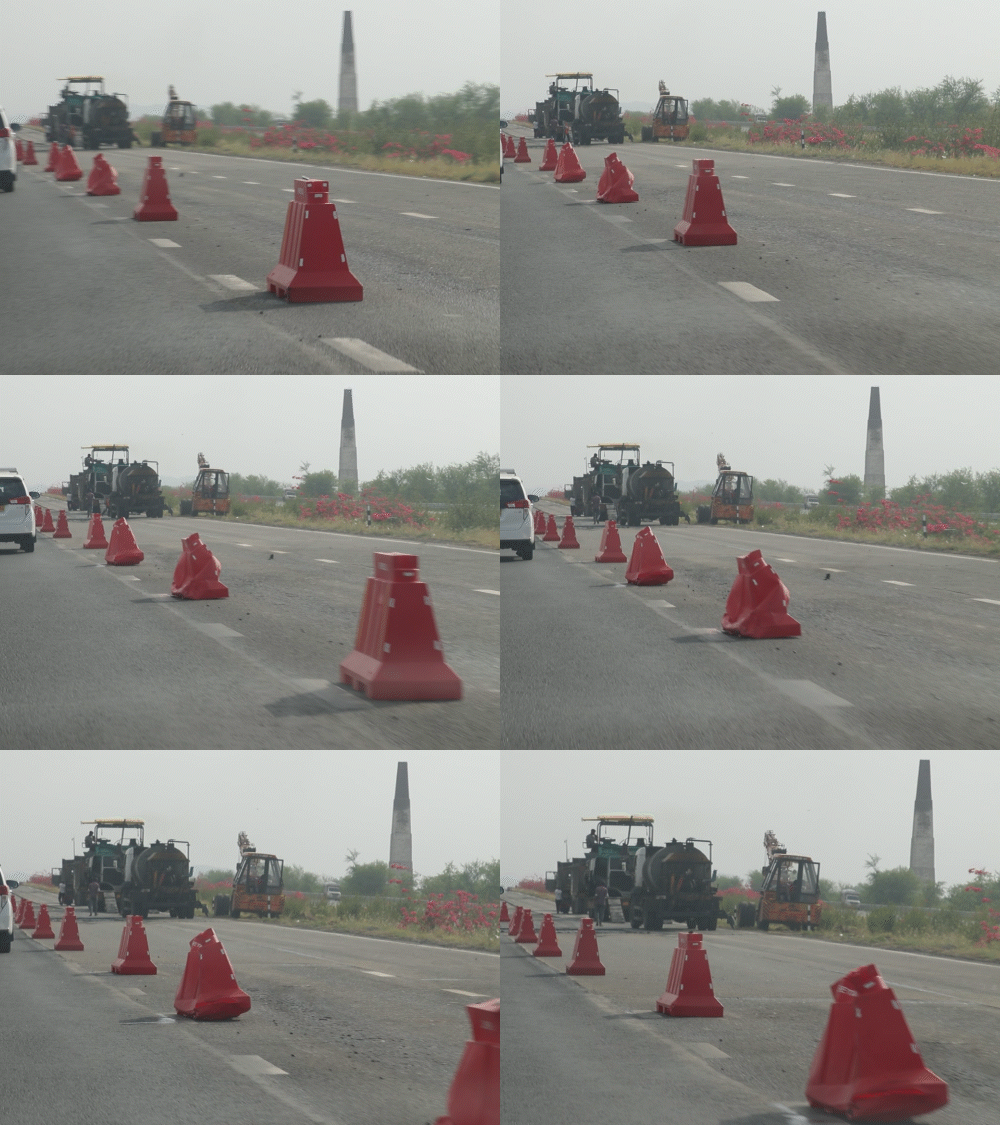
Even when the Bhaskar team was on the journey, repair work was going on in many places along the way.
Dhabas have opened along the expressway
It was 7:45 AM and we had completed a 67-kilometer journey on the expressway from Jaipur to Bandikui. Further into the journey, for about 20-25 kilometers, the car was jumping in many places on the road. There were also jerks.
Due to repair work, the speed had to be slowed down. However, despite this, the journey so far was without traffic jams.
The expressway, built at a good height, is designed in such a way that the views of the fields on both sides of the expressway and the Aravalli hills offer a wonderful experience. However, access to the highway has been opened at several places from the fields adjacent to the expressway.
As a result, small eateries (dhabas) and stalls have sprung up there. Many truck and car drivers park their vehicles on their edges, even though stopping vehicles on the expressway is strictly prohibited.
For this, rest areas have been built every 25 kilometers beyond Bandikui. These rest areas have trauma centers, e-vehicle charging points, petrol pumps, service stations, and restaurants and food plazas, where a large number of vehicles were stopping.
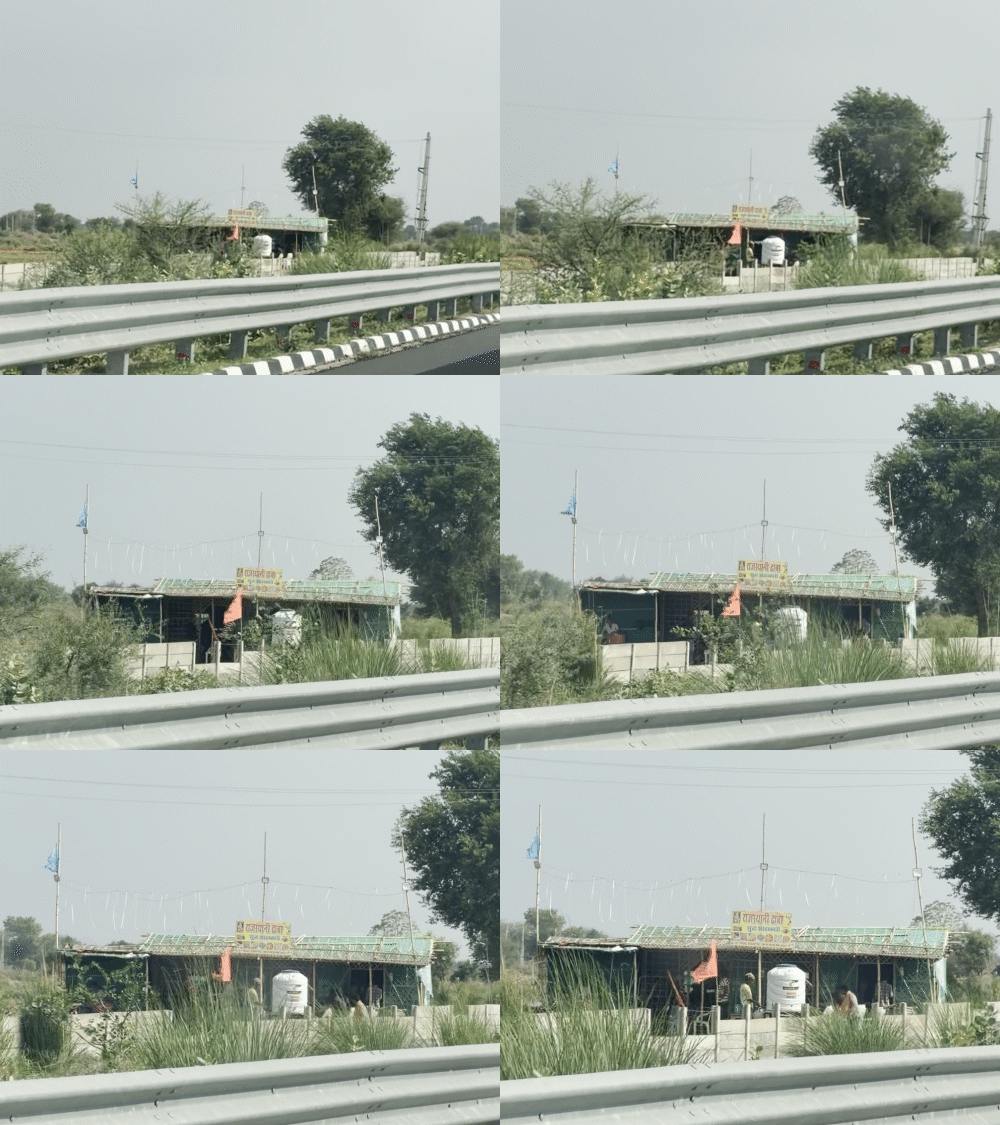
Many dhabas have been built along the expressway.
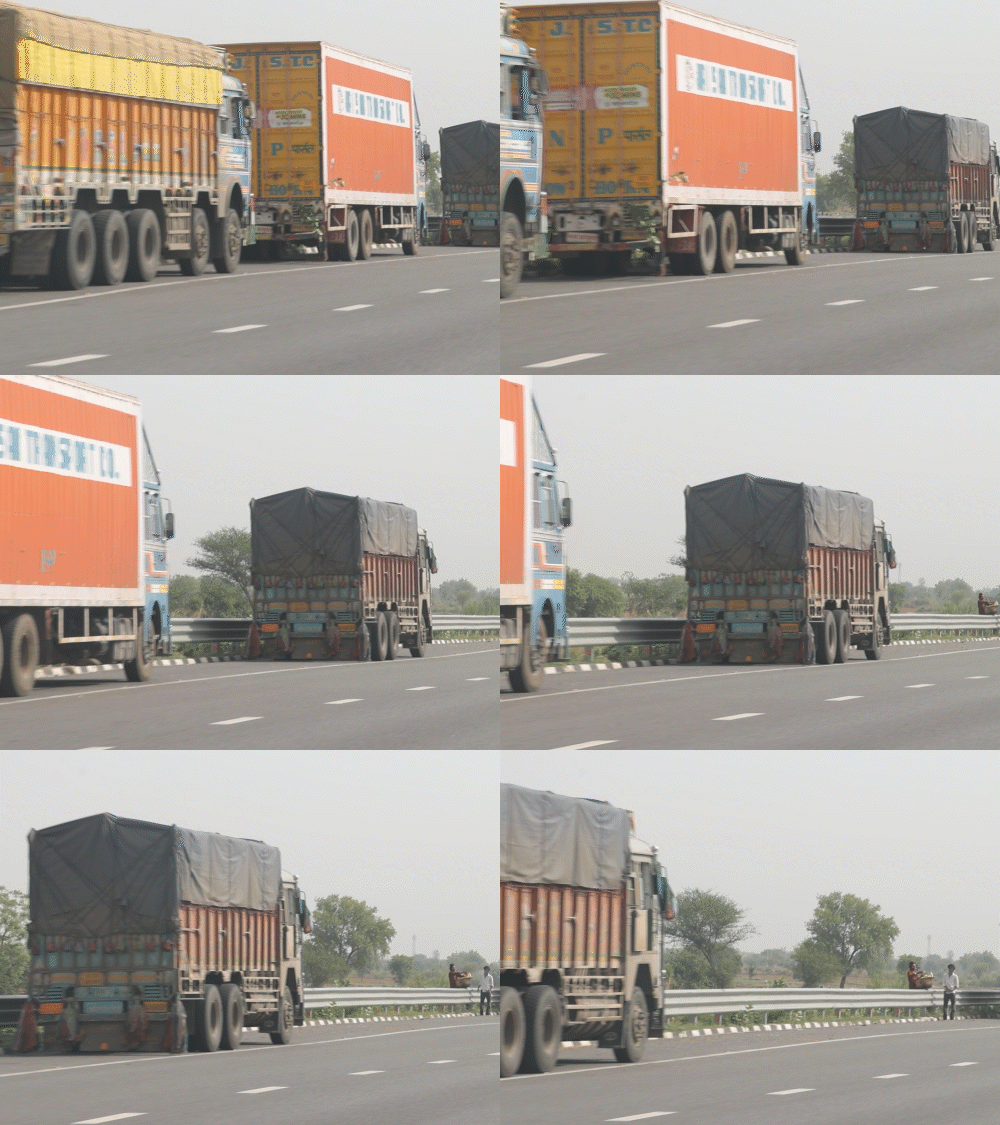
Due to the presence of dhabas, drivers park their trucks on the side of the road, which creates a risk of accidents.
Traffic increased 65 km before Delhi
Now our car was picking up speeds ranging from 100 km/h to 118 km/h. After covering a distance of about 227 kilometers, the Hilaalpur Exit Free Plaza of the expressway appeared.
Here, a toll of ₹470 was automatically deducted from FASTag, calculated based on the distance covered so far. The time was 9:33 AM. This means a distance of 227 km was covered in just two hours and 18 minutes. Delhi was still 65 km away.
As we moved forward from here, we had to reduce speed because traffic had increased due to office hours and people heading towards Delhi and Gurugram.
After driving 32 km, we reached Ghamroj Sohna Road Toll Plaza at 9:45 AM. A toll of 130 rupees was deducted here via FASTag.
Now we were heading towards Delhi via Gurugram. The traffic pressure increased further here. Several times, the car’s speed had to be reduced to less than 60 km/h.
At 10:25 AM, we entered Delhi via Bijwasan Toll Plaza. Here too, a toll of ₹79 was deducted via FASTag. Thus, we completed this entire journey of 285 km from Bagrana in Jaipur to the entry point at Bijwasan Toll Plaza in Delhi in 3 hours and 10 minutes.
Except for a few places, the road quality is good. During this journey, we did not see any speed breakers anywhere on the entire expressway. Out of 285 km, we did not have to apply brakes for 227 km or 80% of the journey.
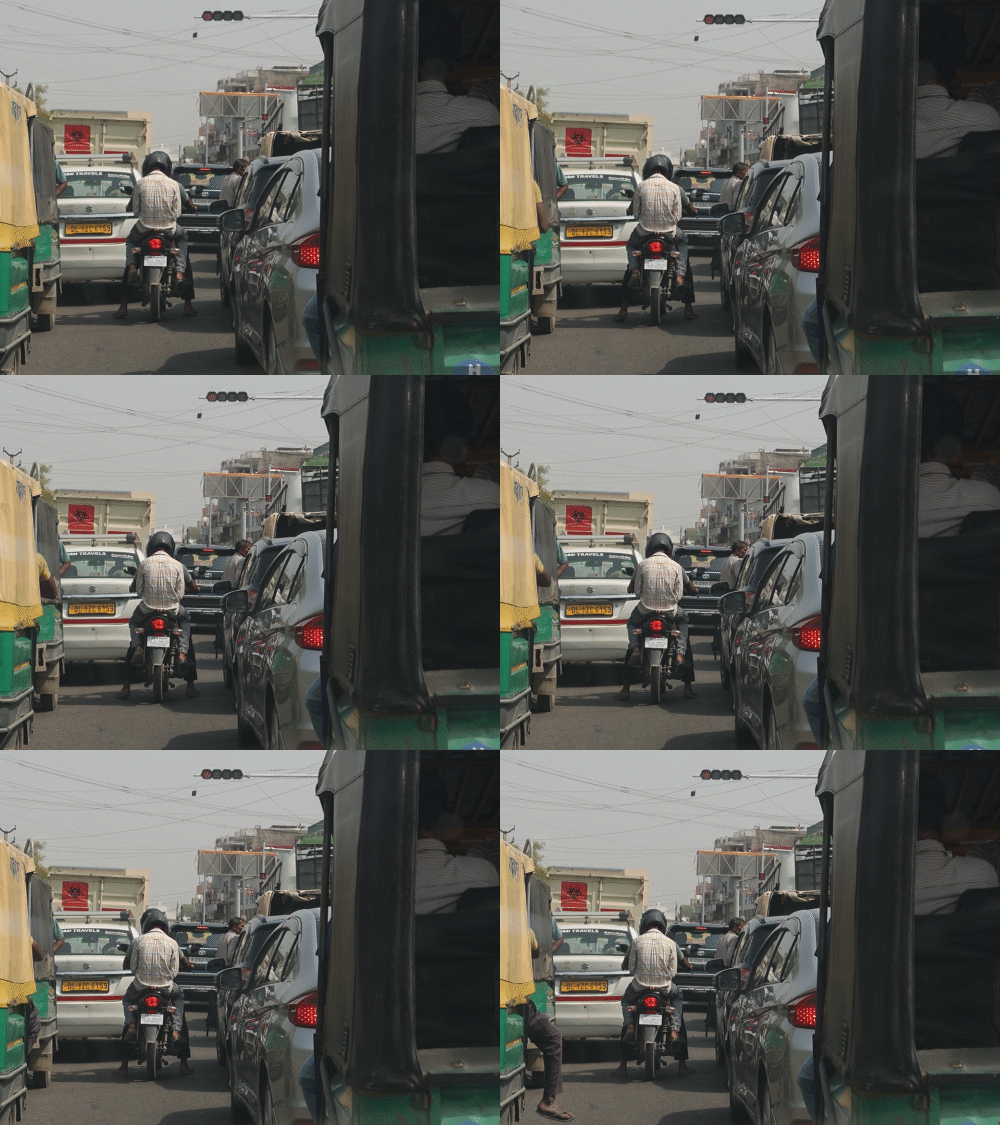
As Delhi approached, the traffic pressure on the expressway increased due to office hours.
4 claims failed in the investigation
1. CCTV cameras off or faulty in some places: CCTV cameras have been installed every 500 meters on the highway. It was claimed that the travellers would be under the surveillance of these cameras. A complete record of vehicle movement would be available. In some places, these CCTV cameras were found to be faulty or off. However, they were also being repaired immediately.
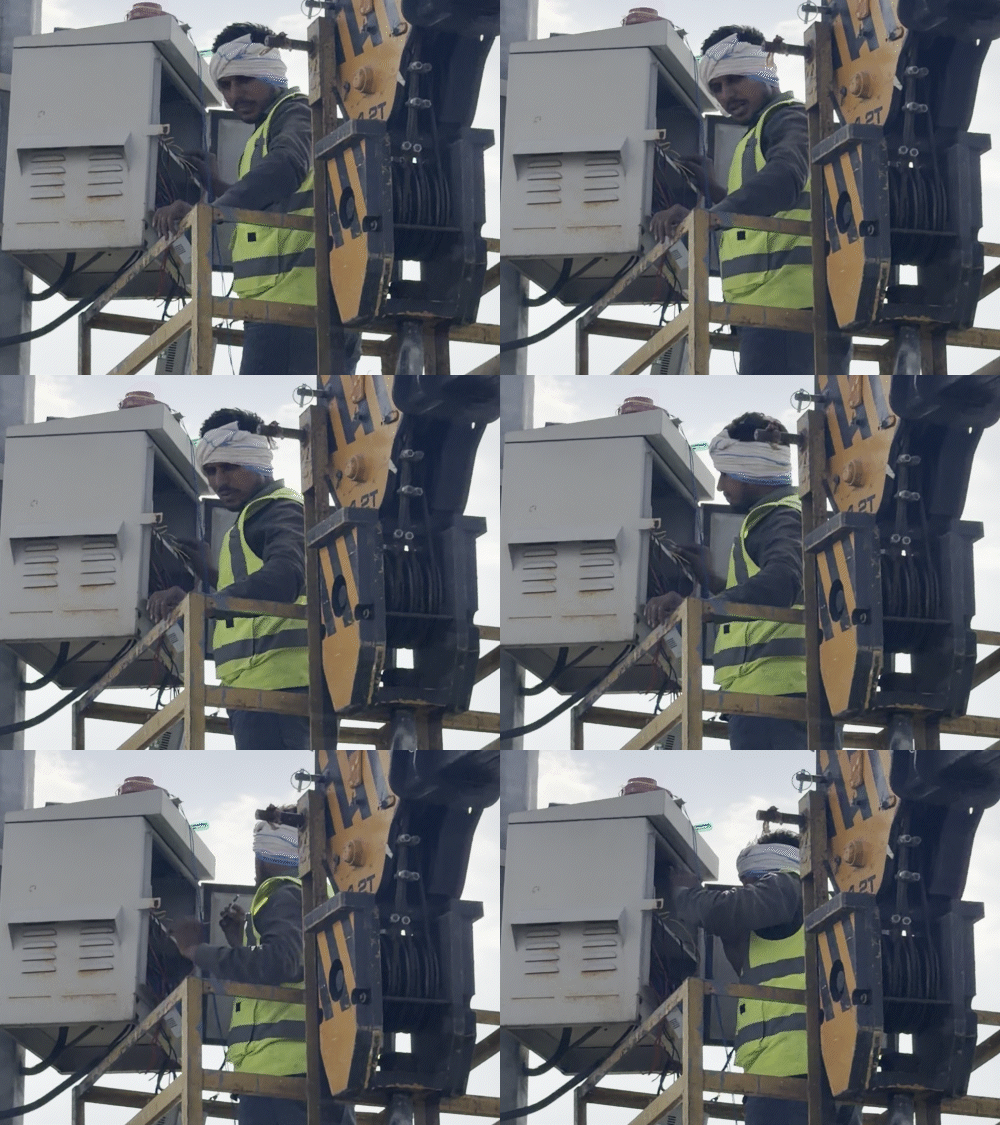
NHAI employees doing repairs said that LCD screens, lights, and CCTV cameras also face problems due to network and weather.
2. Theft of items from phone booths: Phone booths were also built on the expressway for emergency help. Most of them are out of order, and some have had their items stolen.
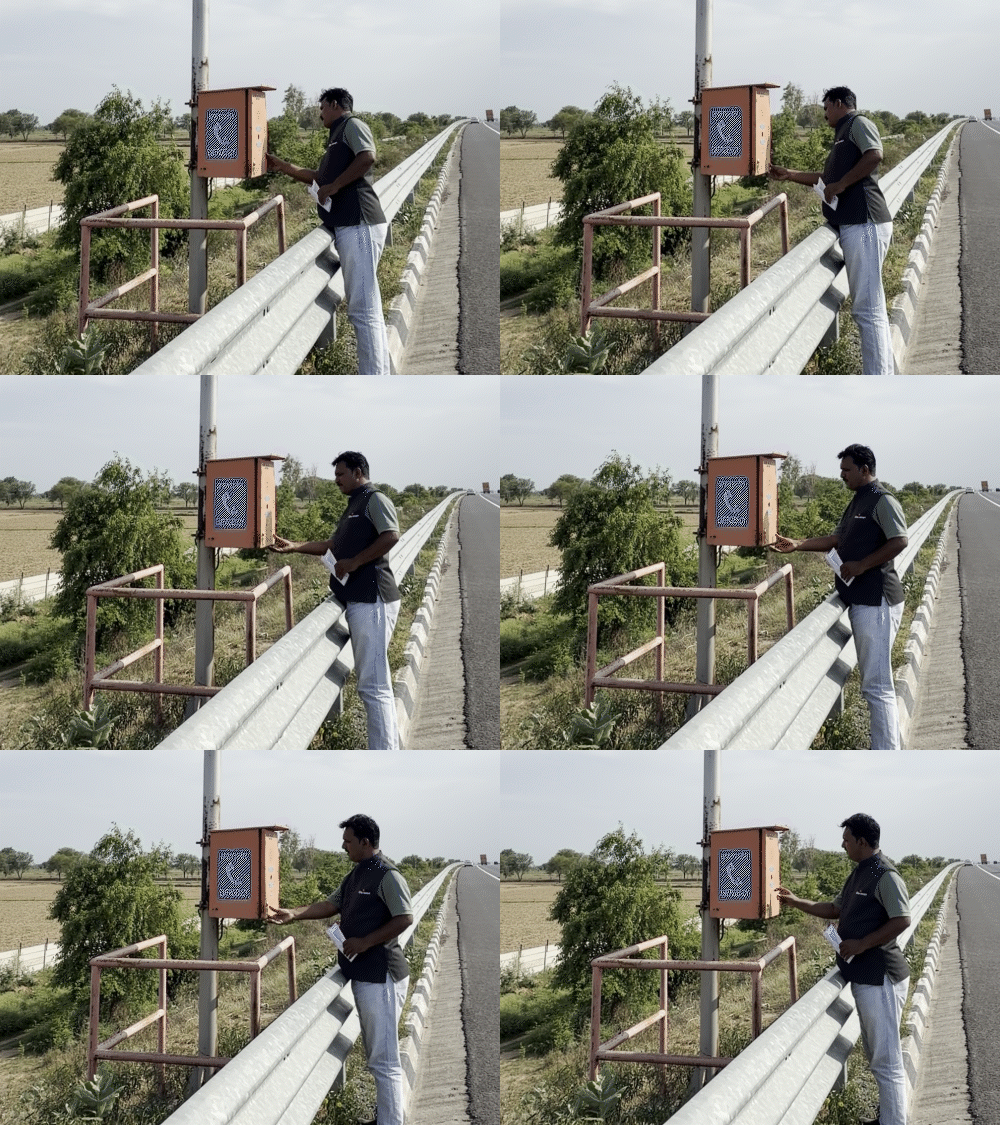
The phone booths here are also not in running condition. If there’s an emergency, there’s no option to make contact.
3. Claim of barricading on both sides failed: There was also a claim of barricading on both sides of the highway to prevent stray animals from coming onto the road. However, our investigation proved this claim to be false. At some places on the expressway, we saw animal carcasses after accidents. Also, breaking these barricades, dhabas (roadside eateries) operating in the fields and paths made for movement were visible.
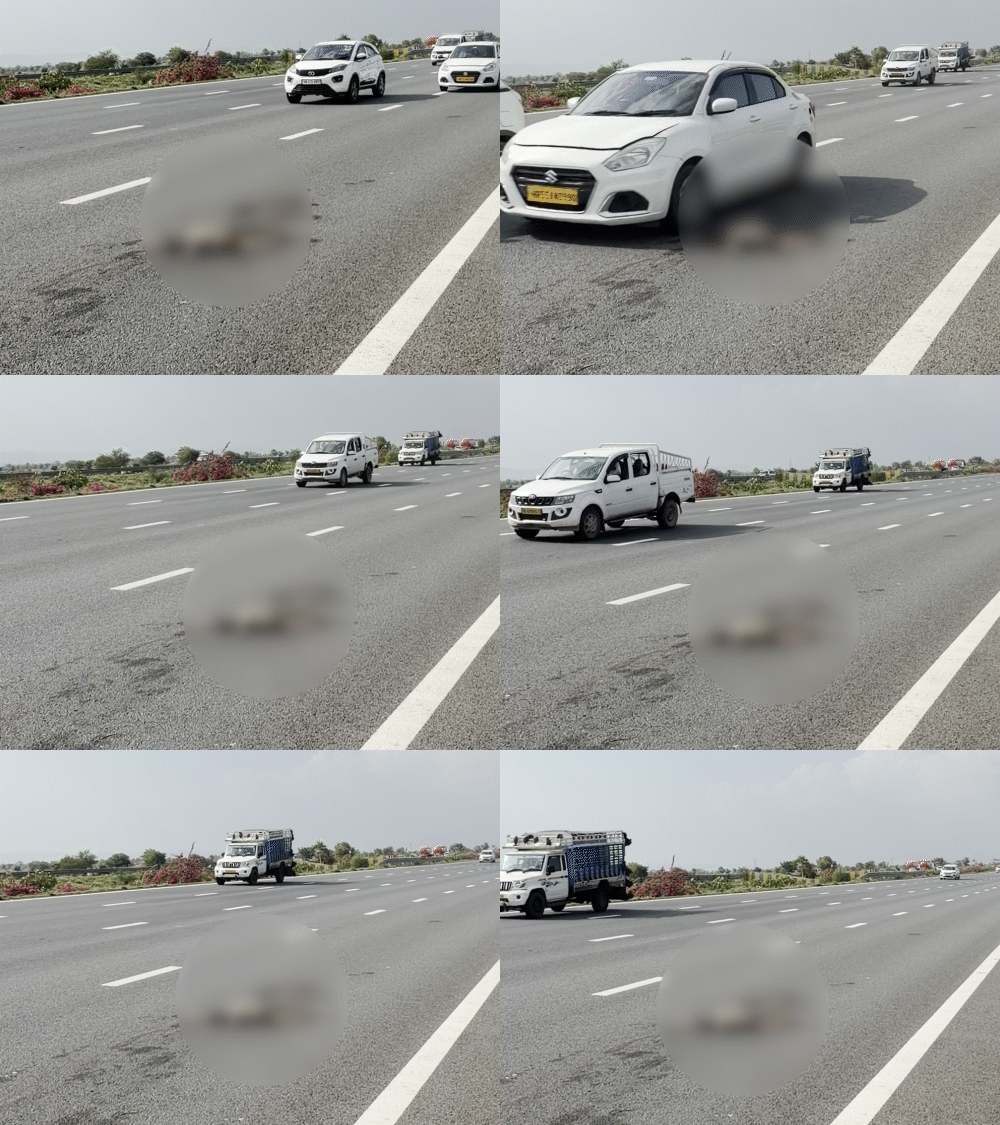
Animal carcasses were found lying in many places on the highway after accidents. This clearly indicates that the barricading is not proper.
4. Two-wheelers and ‘Jugaad’ vehicles running: Two-wheelers, along with tractors, autos, and ‘jugaad’ vehicles, are not allowed on the expressway. Despite this, these vehicles were seen in large numbers on the expressway.
What is the experience of this expressway like?
This route is first-class: Prasoon Shukla, a resident of Beawar, said that he was going from Haridwar to Beawar. He got onto this expressway in his car from beyond Meerut. He reached Jaipur in just two and a half hours. The road of this expressway is first-class.
No traffic, no other hindrance: We also met a group of young people who had gone from Ahmedabad to Nainital for a trip. Parth Goyal, who was driving the car, said, “The expressways are excellent. There is no traffic anywhere.” He had entered this expressway from Ghaziabad. They stopped twice in between, yet reached Jaipur in 5 hours.