


which is better in curd?
Curd is an everyday food in almost every Indian home. It goes great with hot parathas, simple dal-rice, or even on its own. Not only does it taste delicious, but it is also very good for your stomach. But there is always one big question: should you eat curd with salt or sugar?
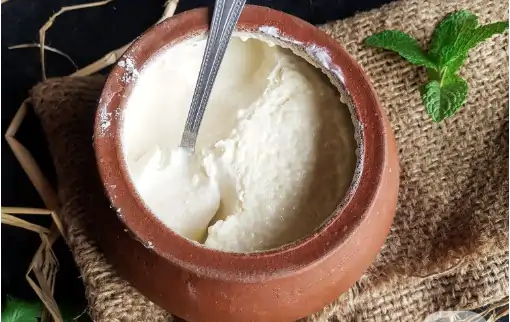
This question gets even more confusing when the monsoon rains start. Imagine having e a plate of hot, tasty parathas with curd in front of you on the balcony, viewing the rains. But suddenly, you remember your grandmother’s warning-
“Don’t eat curd in the rainy season, you will catch a cold!” So, is curd actually bad for us during the monsoon, or is it just a myth? And if we do eat it, is salt better or sugar?
Let’s find out the truth and learn the healthiest way to enjoy your favorite bowl of curd this season!
Dr. Nidhi Shukla Pandey has spoken to Bhaskar English and explained it in detail along with the right way to eat it.
Curd is rich in probiotics, calcium, protein, and good bacteria
Curd is also easy to digest compared to heavy, oily foods. It provides important nutrients like calcium, vitamin B12, potassium, and protein while keeping the stomach light.
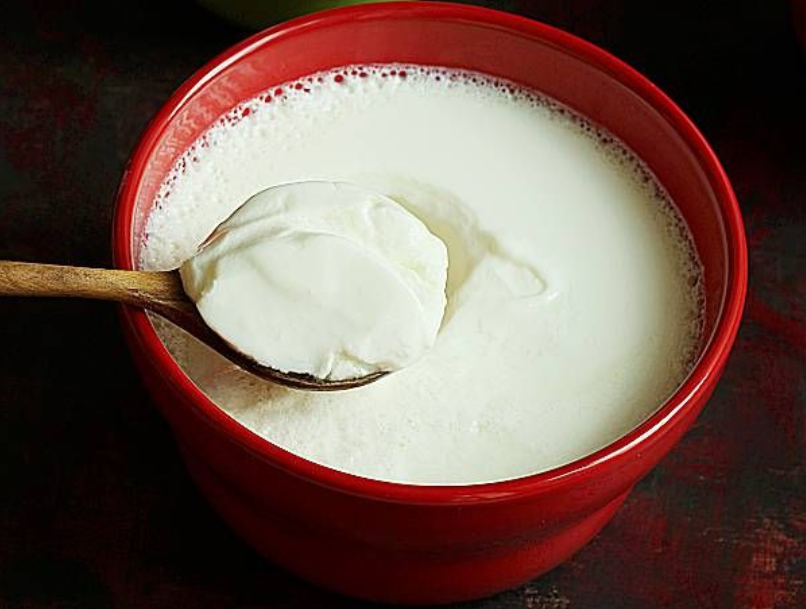
During the monsoon, the air is highly humid, which slows down our metabolism and weakens our digestive system.
Key Health Benefits of Curd:
When consumed correctly, curd is a powerhouse of nutrition:
- Boosts Immunity: Packed with probiotics, it fights off harmful disease-causing bacteria.
- Improves Digestion: It is easier to digest than milk and helps soothe an irritated stomach.
- Stronger Bones and Teeth: Rich in calcium and phosphorus, it keeps your skeletal system healthy.
- Healthy Skin: The lactic acid in curd helps clear dead skin cells and fights acne from the inside out.
According to clinical nutritionist Dr. Nidhi Shukla Pandey, curd is not entirely forbidden in the monsoon, but how and when you eat it makes all the difference
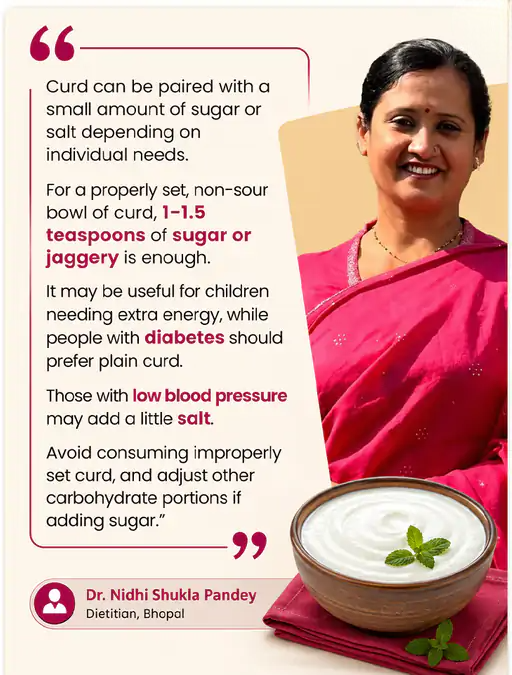
Graphic Credit: Aayushi Jain.
Salt vs Sugar in Curd: Which is Better?
- Salt (Rock Salt/Black Salt): Supports DigestionRock salt or black salt (kala namak) can enhance the taste of curd and may support digestion. It may also help reduce the feeling of bloating. However, excess salt should be avoided, especially by people with high blood pressure.
- Sugar or Jaggery: Quick EnergyAdding a small amount of sugar or jaggery can provide quick energy and may be soothing for some people experiencing acidity. However, refined sugar adds extra calories, so it is best used in moderation.
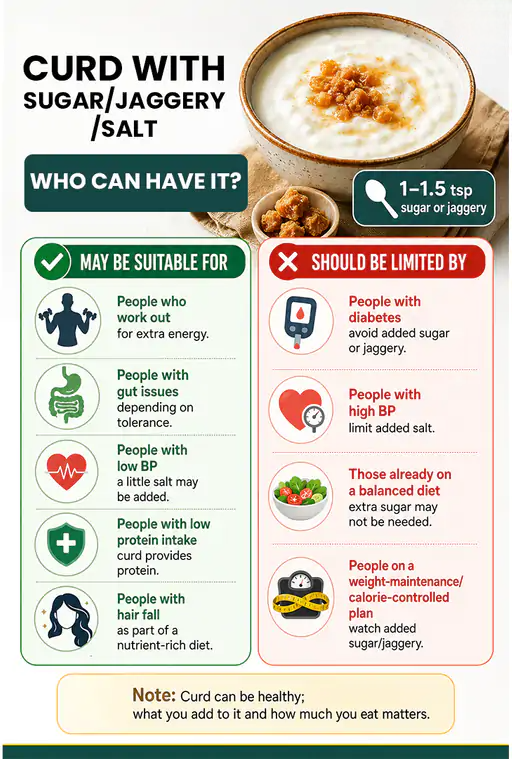
Source: Dr. Nidhi Shukla Pandey. Graphic Credit: Aayushi Jain.
Can curd be eaten in the monsoon?
Scientific studies on gut health highlight that probiotics, which are the good bacteria in curd, are incredibly beneficial during the rainy season because they strengthen the gut barrier against waterborne infections.
However, a study published in the International Journal of Food Microbiology and the Journal of Dairy Science says that the high humidity in monsoon accelerates the fermentation process. If curd is left out for too long, it quickly becomes excessively sour and breeds harmful bacteria, which can lead to stomach infections, acidity, or throat irritation.

In Ayurveda, curd is considered ‘Abhishyandi’ (something that clogs the body’s channels and increases mucus). During the monsoon, the body’s Vata and Kapha doshas are already sensitive. Eating cold, sour, or stale curd can lead to joint pain, sore throat, and indigestion.
When is the best time to have curd?
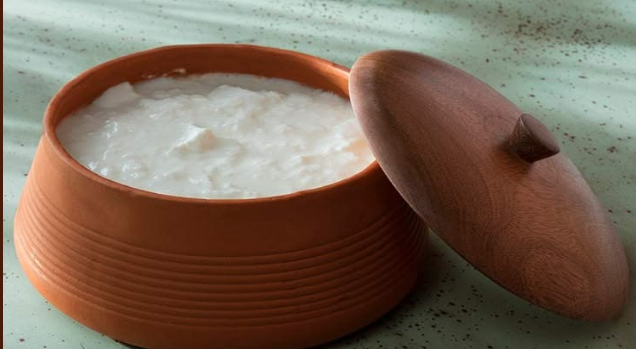
Morning (Best overall time)
- Ideal for digestion as metabolism is active
- Probiotics work effectively to support gut health
- Provides energy and keeps you feeling light
Afternoon/Lunchtime
- Helps in cooling the body, especially in summer
- Aids the digestion of heavy meals
- Commonly consumed with meals for better gut balance
Evening (Moderate option)
- Can be consumed in small amounts
- Best when taken with light meals
- Avoid very cold or large portions
Night (Depends on individual tolerance)
Safe for most people if consumed in moderation
Best taken at room temperature, not cold
Avoid if you have sinus issues, cold sensitivity, or weak digestion
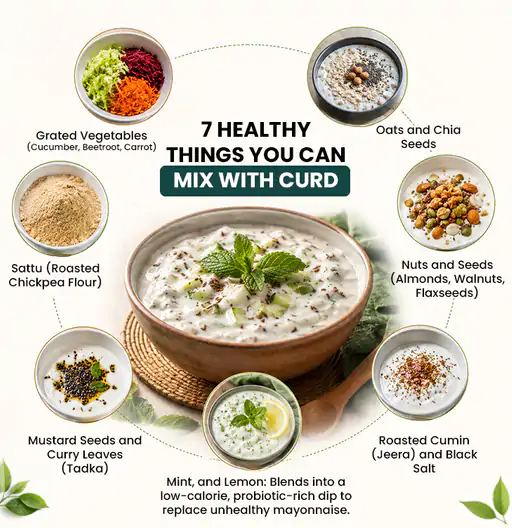
Graphic Credit: Aayushi Jain.
Can we eat curd in the monsoon?
Yes, you can eat curd during the monsoon, but with strict conditions.
You must avoid eating curd that is cold (straight from the fridge) or sour. As long as the curd is freshly set, sweet (not sour), and kept at room temperature, it is perfectly safe and healthy to consume.
The right way to eat curd
To get the maximum benefits of curd without falling sick, follow these golden rules:
1. Keep it at Room Temperature: Never consume chilled curd directly from the refrigerator. Let it sit out for a while before eating. 3. Do Not Heat Curd: Heating curd destroys the beneficial live bacteria (probiotics) and makes it toxic for digestion. 4. Avoid Stale Curd: Consume curd within 24 hours of setting. If it tastes even slightly sour, discard it.