
When the results flashed on screens across Gujarat earlier this week, revealing a sweeping 207-seat victory for the Bharatiya Janata Party in West Bengal, the reactions among the state’s Bengali diaspora were as charged as the election itself.
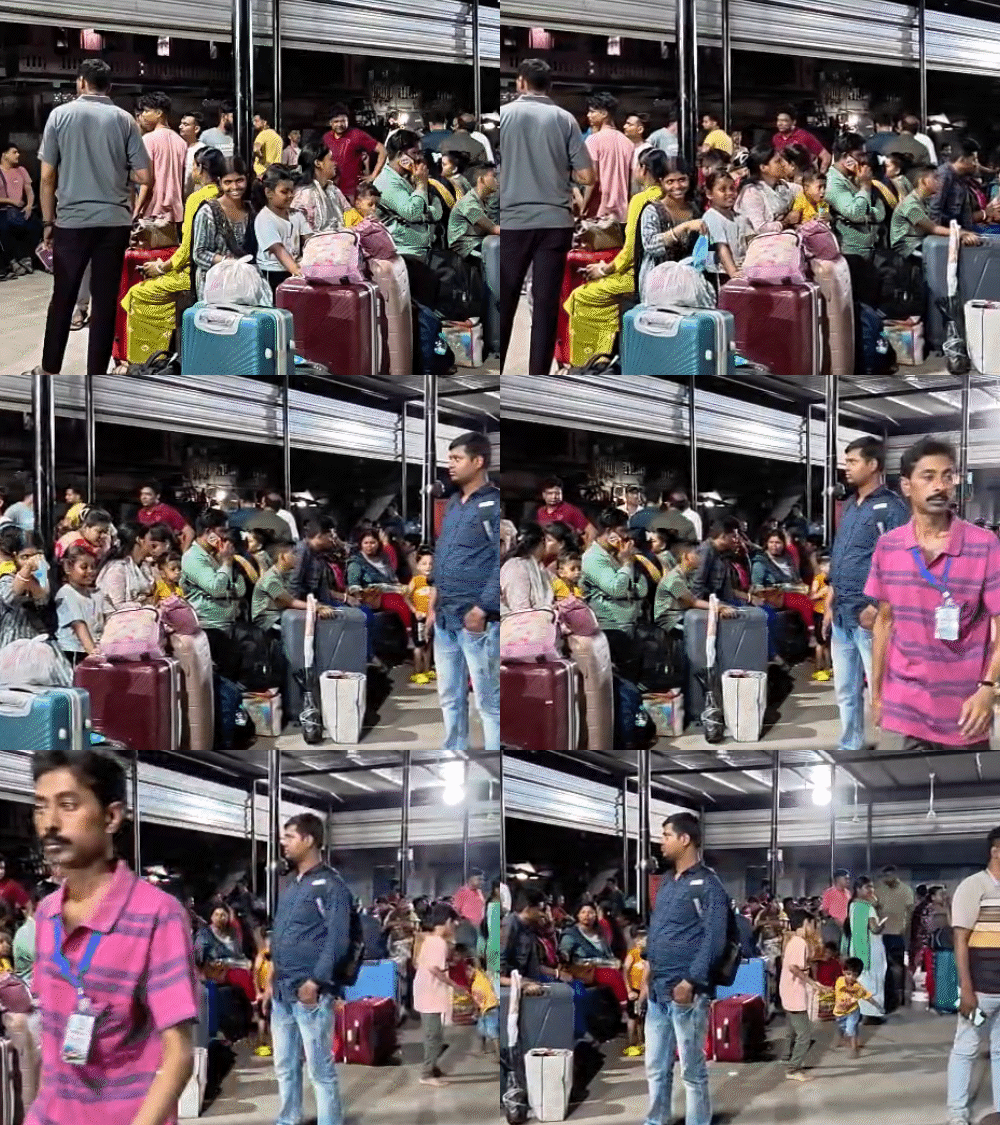
Bengali diaspora travelling to cast their votes
Driven by a deep-seated anti-incumbency wave, a highly motivated diaspora actively participated in BJP’s victory over the Trinamool Congress (TMC), boarding trains by the thousands to ensure their votes were counted.
Resentment for TMC in diaspora
At the core of this mobilisation was a profound frustration with West Bengal’s economic and administrative stagnation.
“Poriborton (change) was a must in West Bengal,” said Rakesh Chaudhary, President of the Surat Bengali Club.
Chaudhary highlighted deteriorating infrastructure, “goon governance,” and a complete lack of employment opportunities as the primary drivers for change, adding that taxpayers’ money was wasted and constant violence had become the norm.
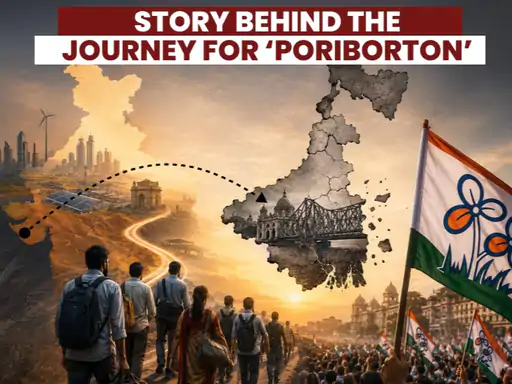
‘Poribortan’ journey from Gujarat to WB
To facilitate the diaspora’s desire to vote, significant logistics were deployed. Basudev Adhikari, President of Surat Bengali Samaaj and a BJP member, noted that Surat alone houses a diaspora of 2.5 to 3.5 lakh.
While he estimates 40,000 to 50,000 people traveled voluntarily, the BJP also arranged five ‘Poribortan Yatra’ trains. These trains carried around 3,500 voters who could not afford tickets.
Voters share their ‘Bengal story’
For those who made the journey, the motivations were deeply personal and tied to their reasons for leaving Bengal in the first place.
Anil Thakur, a diamond industry worker who travelled to Hooghly district with his family, stated that the TMC spent 15 years using the youth merely as “tools and goons,” which forced him to migrate to Gujarat.
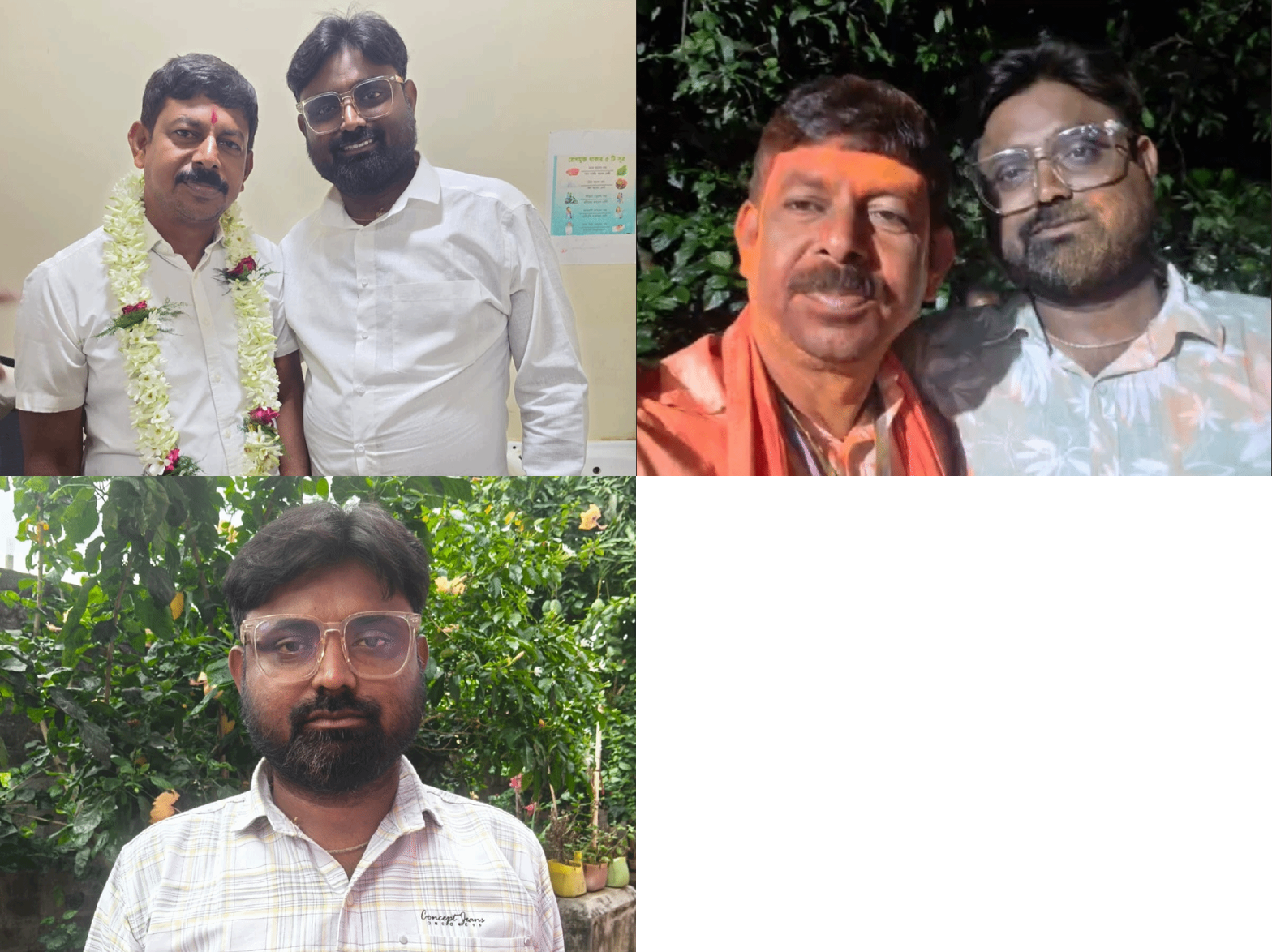
Anil Thakur from Surat in West Bengal
Thakur also cited threats of a demographic shift due to illegal Bangladeshi immigration. His primary expectation from the incoming government is to “generate employment, and erase the blots from the past.”
Safety, particularly for women, was another decisive factor. Soma Basu, a homemaker from Rajkot who traveled to vote in Chunchura constituency, pointed to the RG Kar case as a breaking point that shattered the TMC’s credibility.
She noted that previous administrations forced them to live thousands of kilometers away, asking, “Otherwise who would like to leave their home?”
As the new administration prepares to govern, the diaspora watches with high expectations. Having travelled across the country to dismantle the status quo, their collective hope is that West Bengal will finally harness its potential, generate localised employment, and establish a safe environment so its citizens no longer have to migrate for a better life.