


Around 41,000 medical stores across Madhya Pradesh remained closed on Wednesday in protest against online medicine sales. More than 3,000 medical shops in Bhopal alone participated in the shutdown.
Only medical stores operating inside hospitals were exempted and remained open for patients.
The shutdown was called by the All India Organisation of Chemists and Druggists (AIOCD) to protest against the growing online sale of medicines and the lack of stricter regulations governing e-pharmacy platforms.
Wholesale drug markets and medical shops outside hospitals shut
The impact of the shutdown was clearly visible in Bhopal, where wholesale medicine markets in the old city remained closed throughout the day.
Medical stores located outside major hospitals, including JP Hospital, Hamidia Hospital and AIIMS Bhopal, also remained shut.
Rajiv Singhal, General Secretary of AIOCD, said retail and wholesale medicine traders across the state supported the protest.
“This issue is directly linked to public health. There is still no clear system to monitor the quality and regulation of medicines being delivered door-to-door through online platforms, which is a serious concern,” he said.
Hospital medical stores exempted from shutdown
Bhopal Chemists Association president Jitendra Dhakad said online medicine trade could increase the risk of distribution of fake, expired or incorrect medicines, potentially endangering patients’ lives.
“Therefore, medical stores functioning inside hospitals have been exempted from the shutdown so that patients do not face inconvenience,” he said.
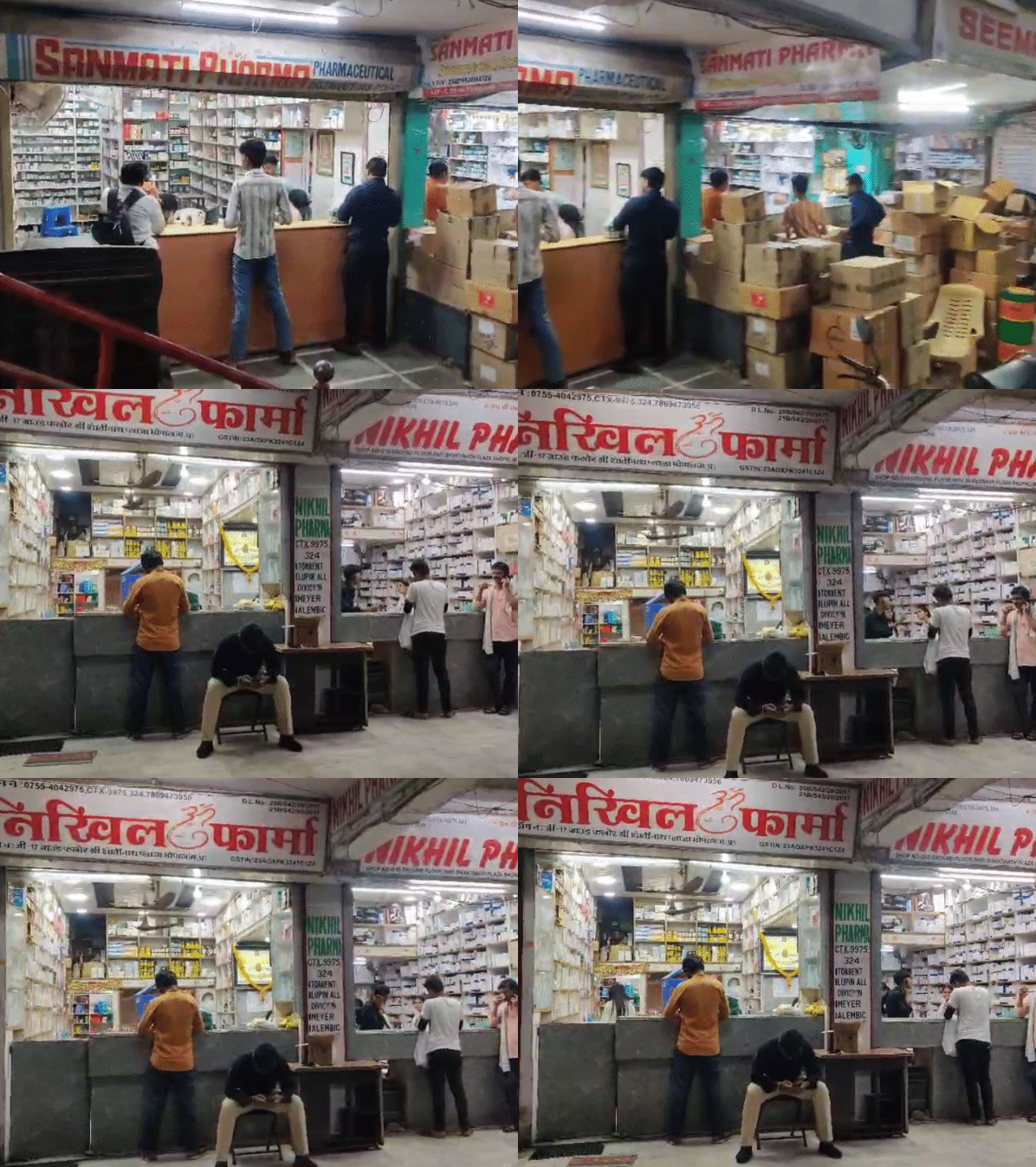
One day before the shutdown in Bhopal, there was a rush of customers at medical stores and wholesale drug shops.
Emergency task force formed for patients
The association clarified that the protest was against government policies and not against the public.
To ensure emergency medical needs are addressed, district-level task forces have been formed across the state. Contact numbers have also been issued for patients requiring urgent medicines.
Association members said people could call the helpline numbers in emergencies, after which the task force would arrange medicine delivery.
Four key demands raised by chemists
The protesting chemists have raised four major demands before the government:
- Online medicine sales operating without strict regulations should be stopped, as they are harming small neighbourhood pharmacies and posing health risks.
- The government rules GSR 220(E) and GSR 817(E), which allegedly allow loopholes for online pharmacy companies, should be withdrawn.
- Stricter regulations should be introduced for e-pharmacies to prevent the use of fake or forged prescriptions.
- Local pharmacy owners cannot compete with discounts ranging from 20% to 50% offered by online companies.
Government relaxed e-pharmacy rules during COVID-19
During the COVID-19 pandemic, the Government of India granted several relaxations to e-pharmacy platforms to ensure uninterrupted delivery of medicines during lockdowns.
Online medical stores were classified as essential services, allowing deliveries to continue even during restrictions.
The government also temporarily relaxed rules by allowing medicines to be sold against digital prescriptions sent through WhatsApp or email.
Doorstep medicine delivery procedures were simplified so people could avoid crowded hospitals and medical stores while accessing essential medicines from home.