

Iran’s oil crisis deepens: Iran is currently facing a severe oil crisis. Its oil exports have been severely affected by US sanctions and rising tensions in the Strait of Hormuz. The situation has become such that the country is rapidly running out of storage space.
Kharg Island is under pressure, with 90% of oil exported from here.
Kharg Island is Iran’s primary oil export hub, accounting for over 90 percent of the country’s total production. It has the capacity to store approximately 30 million barrels of crude oil, but currently, this capacity is nearly full. According to maritime experts, only about 13 million barrels of space remain, and 10 to 11 lakh barrels of oil are being deposited each day. At this rate, the entire storage capacity could be filled within the next 12 to 13 days.
Old tanker becomes a support, ‘Nasha’ is activated again
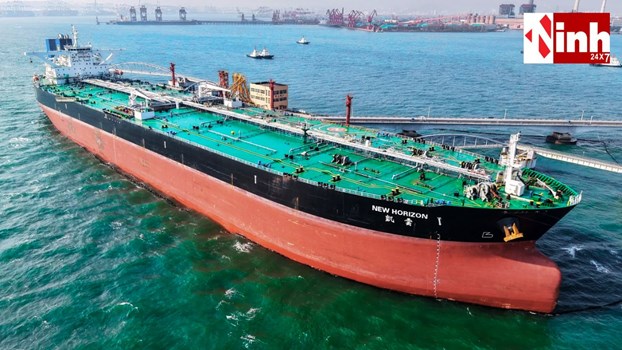
To address the situation, Iran has devised a temporary solution. The nearly 30-year-old oil tanker “Nasha” has been reactivated and is now being used as a floating storage vessel at sea. The tanker had been idle for a long time but is now being used to store excess crude oil.
Running out of storage means a break in production
Experts believe that if the storage capacity is completely filled, Iran may have to reduce or even shut down production from its oil wells. This situation is particularly dangerous for wells that use water injection technology. Shutting down such wells could lead to permanent damage and a prolonged decline in production.
Increased economic pressure, impact on income
Oil exports are the backbone of Iran’s economy. But when oil is not being sold and storage is filling up, revenue is being directly affected. This could further weaken the country’s economic situation.
The impact of the US strategy is clear.
US sanctions and maritime pressure are no longer just military tactics, but are becoming a tool to directly impact Iran’s economy. Under increasingly intense pressure, Iran has limited options.
What next?
If exports don’t improve and the blockade continues, Iran will either have to reduce production or risk long-term damage to its oil fields. For now, measures like the “Nasha” (freeze) can only provide temporary relief.